Embrace Lifelong Agility: Your Guide to Active Living Beyond 40
A welcoming introduction to the concept of maintaining mobility, flexibility, and overall well-being as we age. This educational resource emphasizes the informational nature of our content, helping you understand the principles of active and healthy living.
Educational content only. No promises of outcomes.
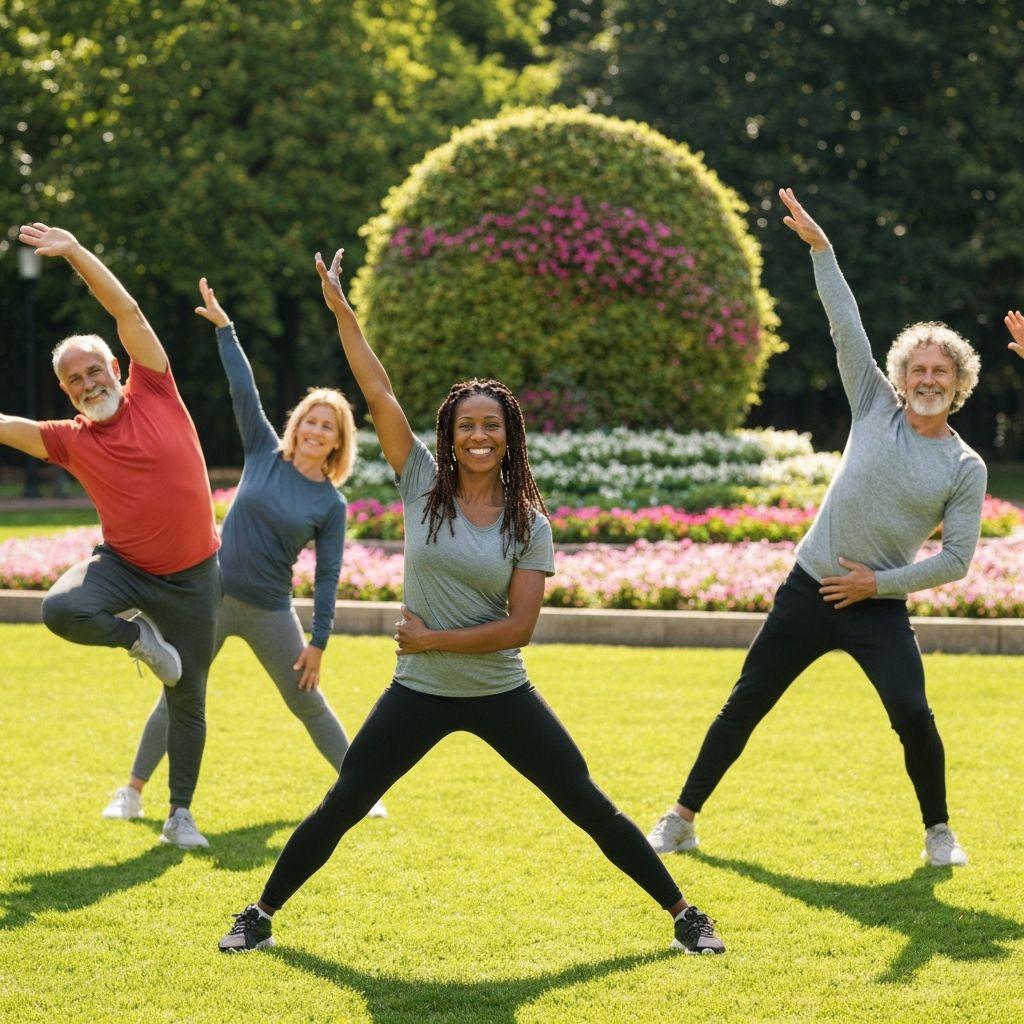
Understanding Mobility
The biomechanical principles of human movement
Mobility refers to the ability of our joints to move through their full range of motion with ease and control. It is a fundamental aspect of our physical capabilities and directly influences our ability to perform everyday activities.
The human body comprises more than 206 bones, connected by joints, ligaments, and cartilage. These structures work in coordination with muscles and tendons to enable movement. Understanding how these components interact helps us appreciate why maintaining mobility becomes increasingly important as we age.
Factors such as prolonged sitting, repetitive movements, and muscle tightness can gradually reduce our joint mobility. However, through consistent and mindful movement, we can maintain and even improve our range of motion throughout our lives.
Key Aspects of Mobility
- Joint flexibility and range of motion
- Muscle coordination and control
- Nerve and connective tissue health
- Consistency and progressive practice
Mobility is not a static trait but a skill that can be maintained and developed through regular practice and mindful movement patterns. The connection between joints, muscles, and the nervous system allows the body to adapt and improve over time with proper engagement.
The Role of Flexibility
Understanding range of motion and injury prevention
Flexibility refers to the ability of muscles and connective tissues to lengthen and allow for movement. It complements mobility by focusing on the extensibility of soft tissues, allowing joints to move freely and comfortably.
There are different types of stretching that serve various purposes in a fitness routine. Static stretching—holding a stretch for 20-30 seconds—is effective for improving overall flexibility and is best performed after activity when muscles are warm. Dynamic stretching, which involves controlled movements through a range of motion, helps prepare the body for activity and improves functional flexibility.
Benefits of Maintaining Flexibility
Improved flexibility contributes to everyday comfort, makes daily activities easier, reduces the risk of muscle strains, and enhances overall physical performance. Whether reaching for an item on a high shelf or bending down to pick something up, flexibility allows us to move with ease and confidence.
Incorporating flexibility work into a regular routine need not be time-consuming or complicated. Simple stretching practices, whether in the morning, evening, or after activity, can yield significant benefits over time.

Dive Deeper into Our Insights
Explore detailed articles on various aspects of active living and wellness
The Science of Movement
Understand the neurological and physiological foundations of how our bodies move, adapt, and respond to activity patterns.
Read more →Flexibility Through the Ages
Explore how flexibility changes as we mature and discover evidence-based approaches to maintaining and improving range of motion.
Read more →Nutrition's Role in Wellness
Learn about the nutritional components that support bone health, muscle function, and overall physical vitality.
Read more →Everyday Movement Habits
Simple strategies for incorporating more movement into daily routines
Practical Approaches
Movement doesn't require a gym or structured exercise. Small, consistent actions throughout the day accumulate into significant benefits:
- Walking: A foundational activity that can be easily integrated into daily life—whether for transportation, leisure, or dedicated walking sessions.
- Posture Awareness: Maintaining conscious posture during work, sitting, and standing reduces strain and supports long-term spinal health.
- Micro-breaks: Short movement sessions—stretching for a few minutes every hour—interrupt prolonged static positions and maintain flexibility.
- Gardening and Housework: Everyday activities naturally involve varied movements and can serve as low-intensity physical engagement.
- Stair Usage: Choosing stairs over elevators adds movement to daily routines.

The Pillars of Enduring Vitality
General benefits of active living and holistic wellness
Improved Daily Comfort
Regular movement and flexibility maintenance make everyday activities—bending, reaching, sitting—easier and more enjoyable without discomfort or strain.
Enhanced Flexibility
Maintaining a good range of motion reduces stiffness and allows for greater freedom in how we move through our environment and perform daily tasks.
Better Mood and Mental Clarity
Physical activity is linked to general well-being and mental clarity. Movement supports the production of neurotransmitters associated with positive mood states.
Sustained Energy Levels
Regular activity supports cardiovascular health and oxygen circulation, contributing to improved energy throughout the day and reduced fatigue.

Holistic Approach: These benefits are interconnected. Improved flexibility enhances comfort, comfort encourages more movement, movement improves mood, and sustained activity supports energy levels. Together, these create a positive cycle supporting active aging.
Nutrition for Bone Health
Essential nutrients and their role in supporting overall wellness
Bone health is fundamental to maintaining an active lifestyle. Throughout our lives, bones continuously remodel—old bone is removed and new bone is added. A balanced diet supports this process and maintains bone density and strength.
Key Nutrients for Bone Support
Calcium is the primary mineral in bone. Dietary sources include dairy products, leafy greens, fortified plant-based alternatives, and nuts. Regular consumption supports bone structure maintenance.
Vitamin D enables the body to absorb calcium and plays a role in bone mineralization. Natural sources include fatty fish, egg yolks, and mushrooms exposed to sunlight. Moderate sun exposure also supports vitamin D synthesis.
Magnesium contributes to bone structure and strength. Found in nuts, seeds, whole grains, and leafy vegetables, magnesium supports numerous bodily functions beyond bone health.
Other Important Nutrients include phosphorus, potassium, and proteins, all of which play roles in maintaining overall bone and muscle function.
A varied, whole-food-based diet naturally provides these nutrients in forms that the body can readily utilize.
Nutrient-Rich Foods
Incorporating a rainbow of whole foods ensures comprehensive nutrient intake. Include leafy greens, colorful vegetables, fruits, whole grains, legumes, nuts, seeds, and quality protein sources. This diversity supports not just bone health, but overall vitality.
Benefits of Hydration
The importance of water for bodily functions

Water is essential for virtually every bodily function. Beyond quenching thirst, adequate hydration supports numerous physiological processes that maintain health and enable physical activity.
Why Hydration Matters
Joint Lubrication: Synovial fluid in joints requires adequate hydration to reduce friction and maintain smooth, comfortable movement.
Nutrient Transport: Water carries nutrients and oxygen to cells throughout the body, supporting energy production and tissue repair.
Temperature Regulation: Through perspiration, water helps maintain optimal body temperature during activity and in warm environments.
Waste Elimination: Hydration supports kidney function and the removal of metabolic waste products.
Cognitive Function: Even mild dehydration can affect mental clarity and concentration.
Simple Hydration Guidelines
While individual needs vary based on activity level, climate, and health status, a general approach is to drink water consistently throughout the day and increase intake during and after physical activity. Listening to thirst cues and monitoring urine color provides practical guidance.
Mind-Body Connection
How mental well-being influences physical capability
The connection between mental and physical states is well-established. Our thoughts, emotions, and mental state influence how we perceive and engage with physical activity, and conversely, physical movement affects mental well-being.
The Bidirectional Relationship
Mental Perception and Physical Performance: A positive mental state enhances motivation and the perception of physical capability. Conversely, anxiety or low mood can inhibit physical engagement.
Stress and Physical Tension: Psychological stress often manifests as physical tension in muscles and joints. Reducing stress through relaxation techniques, movement, or mindfulness can alleviate physical tension.
Movement and Mental Clarity: Physical activity supports the production of endorphins and other neurotransmitters associated with positive mood, reduced anxiety, and improved mental clarity.
Mindful Movement: Practices like gentle yoga, tai chi, or conscious stretching combine physical movement with mental focus, amplifying benefits for both body and mind.
Understanding this connection empowers individuals to support both mental and physical well-being through integrated practices that engage the whole person.

Sleep and Recovery
The role of rest in maintaining active vitality

Quality sleep is fundamental to physical recovery, mental health, and maintaining energy for daily activities. During sleep, the body engages in essential repair and restoration processes.
Why Sleep Matters for Active Living
Physical Recovery: Sleep is when the body repairs muscle tissue, consolidates learning, and restores energy reserves. Adequate sleep supports the ability to engage in consistent movement and activity.
Cognitive Function: Quality sleep enhances memory, concentration, and decision-making abilities, supporting mental clarity and alertness.
Immune Function: Sleep supports immune system health, helping the body resist illness and recover from stress.
Metabolic Health: Adequate sleep supports metabolic processes and helps maintain healthy patterns of appetite regulation and energy expenditure.
Supporting Quality Sleep
Establishing consistent sleep and wake times, maintaining a comfortable sleep environment, limiting screen time before bed, and incorporating relaxation practices can all support better sleep quality. Regular physical activity during the day also promotes deeper sleep at night.
Sleep and physical activity create a positive cycle: better sleep supports more consistent activity, and regular activity promotes better sleep quality.
Common Questions About Active Aging
Addressing general inquiries and clarifying key concepts
Continue Your Journey Towards Understanding
Explore more content and deepen your knowledge of lifelong agility and active living
Explore Further