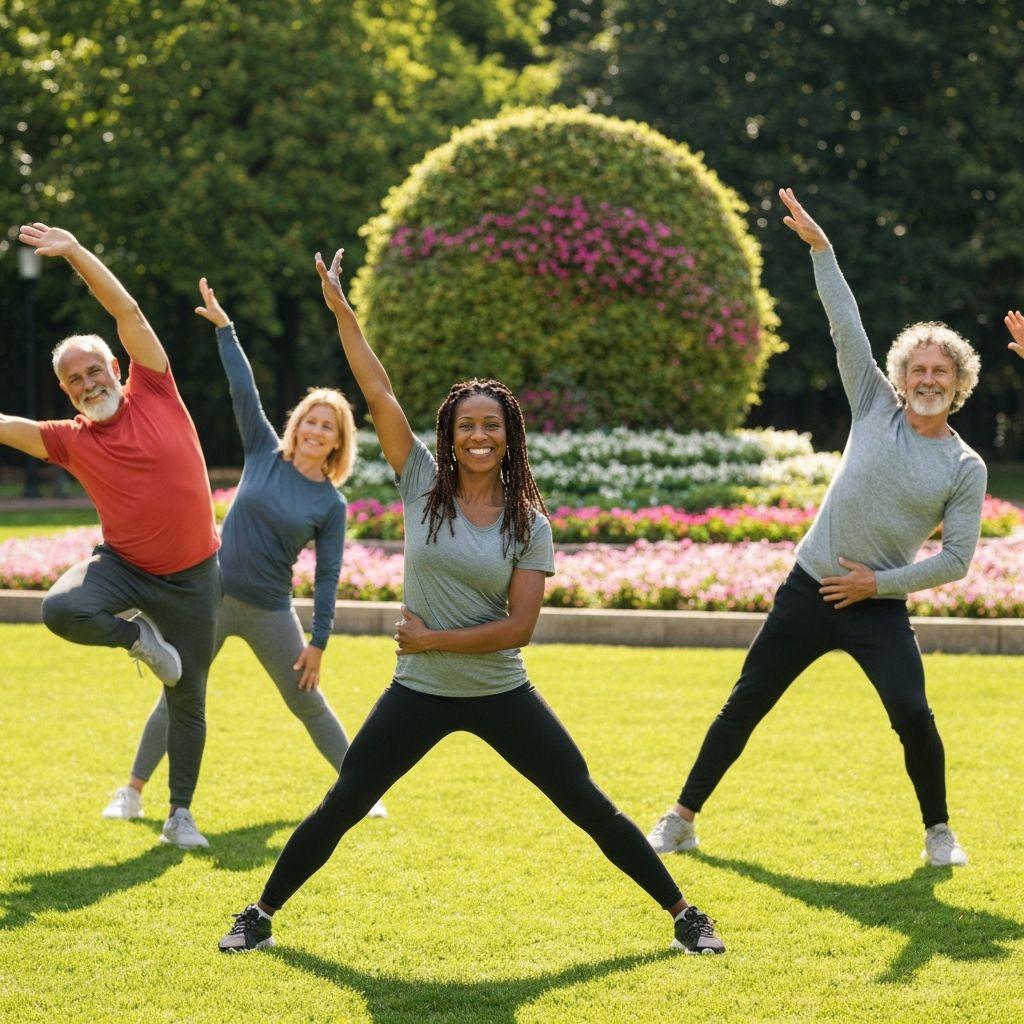
Exploring the interconnected elements that support vitality and active living.
While physical exercise is undoubtedly important for maintaining health and mobility, active longevity is not built on exercise alone. The human body is an integrated system where various lifestyle factors work together to support vitality, energy, and overall well-being. Understanding how stress management, sleep quality, social connection, and cognitive engagement contribute to an active life provides a more complete picture of what truly supports long-term health and active living.
Stress is an inherent part of life, but chronic stress can have far-reaching effects on physical health and vitality. When the body experiences prolonged stress, it activates physiological responses that, over time, can affect muscle tension, sleep quality, immune function, and cardiovascular health. Managing stress through various techniques supports not only mental well-being but also physical resilience.
These stress management approaches help regulate the nervous system, reduce muscle tension, and support the body's recovery processes. By incorporating stress management into daily routines, individuals enhance not only their mental state but also their physical capacity for movement and activity.
Sleep is not merely a period of rest; it is a fundamental biological process during which the body undergoes crucial restoration and recovery. During sleep, muscles repair themselves, hormonal balance is regulated, memory consolidates, and the immune system strengthens. For individuals pursuing active lifestyles, quality sleep is essential for physical recovery after activity and for maintaining the energy levels needed to engage in daily movement.
Prioritizing sleep quality directly supports the body's ability to recover from physical activity, maintain energy for daily engagement, and sustain the vitality necessary for active longevity.
Humans are social beings, and meaningful social connections profoundly influence overall well-being. Social engagement provides emotional support, reduces feelings of isolation, and creates opportunities for shared activities. From a physiological perspective, social connection supports cardiovascular health, immune function, and psychological resilience—all of which contribute to active and engaged living.
Whether through family relationships, friendships, community involvement, or group activities, social connection enriches life and supports the motivation and emotional well-being necessary for maintaining an active lifestyle.
Cognitive engagement—the active exercise of mental faculties—contributes significantly to overall vitality and active longevity. Learning new skills, engaging in problem-solving, pursuing intellectual interests, and maintaining cognitive complexity support brain health and resilience. This mental engagement is intertwined with physical activity; activities like dance, hiking, or sports inherently involve cognitive components alongside physical movement.
Beyond internal practices, external factors influence lifestyle quality. Natural light exposure, particularly in morning hours, helps regulate circadian rhythms—the body's internal clock that influences sleep, energy levels, and hormonal function. Access to natural environments, opportunities for outdoor movement, and seasonal awareness all contribute to a lifestyle that supports vitality and active engagement.
Active longevity emerges from the integration of multiple lifestyle factors working in concert. A person who exercises regularly but experiences chronic stress and poor sleep will not achieve the same benefits as someone who combines physical activity with stress management, quality sleep, social connection, and cognitive engagement. These factors reinforce one another, creating a synergistic effect that supports sustained vitality.
Implementing lifestyle changes doesn't require drastic overhauls. Small, consistent adjustments—establishing a regular sleep schedule, incorporating brief stress management practices, reaching out to friends, pursuing an intellectual interest, or spending time in nature—can collectively transform overall well-being. The key is recognizing that active longevity is not a destination but an ongoing practice of nurturing multiple dimensions of health.
Active longevity is a multifaceted endeavor that extends far beyond physical exercise. By recognizing the profound importance of stress management, quality sleep, social connection, cognitive engagement, and environmental awareness, individuals can create a lifestyle that truly supports vitality throughout their lives. These interconnected elements form the foundation of not just surviving, but actively engaging with life in all its dimensions—physically, mentally, emotionally, and socially.
Educational Content Disclaimer: This article is for informational and educational purposes only. It does not constitute medical advice, diagnosis, or treatment recommendations. Always consult with qualified healthcare professionals regarding your individual health needs.